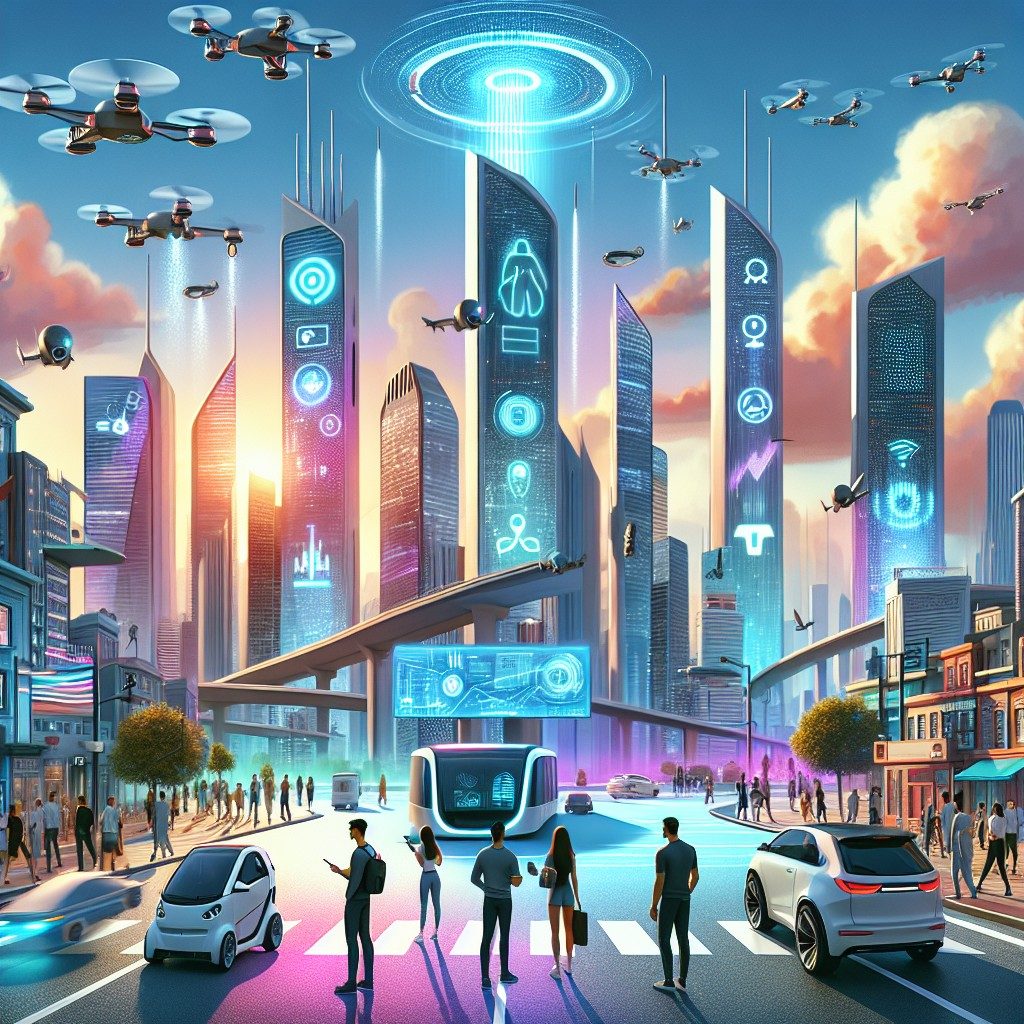
As we approach 2026, the integration of artificial intelligence in everyday life is set to deepen significantly. Various developments in machine learning and natural language processing are not only enhancing productivity but also enabling more intuitive human-computer interactions. The AI trends emerging today are setting the groundwork for a future where artificial intelligence becomes an omnipresent force across various sectors.
Advancements in Natural Language Processing
Natural language processing (NLP) is one of the most significant fields in AI, making strides that allow machines to understand human language with an unprecedented level of accuracy. By 2026, the use of sophisticated chatbots and virtual assistants is expected to become commonplace, facilitating seamless communication in customer service, education, and healthcare. As these systems evolve, they will not only respond to queries but also anticipate user needs based on context and history, leading to enhanced user experiences.
The Rise of Personalized AI Solutions
Another prominent trend in AI that is anticipated to shape daily life is the rise of personalized AI solutions tailored to individual preferences and behaviors. Businesses will utilize advanced data analytics to create more personalized experiences for consumers. For example, the e-commerce industry is likely to see AI-driven recommendations that go beyond simple product suggestions, incorporating real-time data and contextual factors to serve consumers more effectively. This shift towards personalization in AI is expected to have a significant impact on marketing strategies and consumer engagement.
AI in Smart Home Technology
By 2026, smart home technology will likely be heavily reliant on AI to enhance household efficiency and security.AI trends indicate that devices will become increasingly interconnected, allowing homeowners to manage their environments proactively. From energy-efficient systems that learn and adapt to usage patterns to advanced security measures that utilize facial recognition, AI will play a crucial role in transforming homes into smart ecosystems. As installation costs decrease and user-friendly interfaces improve, more households will adopt these technologies, which promise greater convenience and safety.
Conclusion
The landscape of daily life is set to be transformed by AI trends by 2026, with advancements in natural language processing, personalized solutions, and smart technologies driving the change. As these technologies continue to evolve, they hold the potential to streamline tasks, enhance user experience, and create more efficient environments. The shift towards a future dominated by AI elucidates the necessity for individuals and organizations to adapt and embrace these innovations for a competitive edge.
Frequently Asked Questions about AI Trends
What are the key AI trends expected by 2026?
Key AI trends expected by 2026 include advancements in natural language processing, personalized AI solutions, and smart home technologies that integrate seamlessly into daily life.
How will AI trends impact consumer behavior?
AI trends are expected to significantly influence consumer behavior by providing personalized experiences, improving customer service, and making product recommendations more relevant to individual users.
What role will AI play in smart homes?
AI will play a crucial role in smart homes by enabling devices to learn from user habits, enhancing energy efficiency, and providing advanced security measures through interconnected technology.
How is natural language processing changing industries?
Natural language processing is changing industries by facilitating improved communication through chatbots and virtual assistants, enhancing customer interactions, and streamlining service delivery.
Will AI trends create more jobs or eliminate them?
AI trends may automate certain tasks, potentially eliminating some jobs, but they also have the potential to create new employment opportunities in AI development, maintenance, and management sectors.