As the world grapples with the implications of climate change, experts are turning their attention to unprecedented weather patterns predicted for 2026. This Climate Analysis reveals alarming trends that could reshape our understanding of seasonal weather behaviors in various regions north and south of the equator. With key factors such as rising temperatures and changing precipitation patterns at play, the forecast raises serious concerns for both climate policy and natural resource management.
Identifying the Trends: What Experts Are Seeing
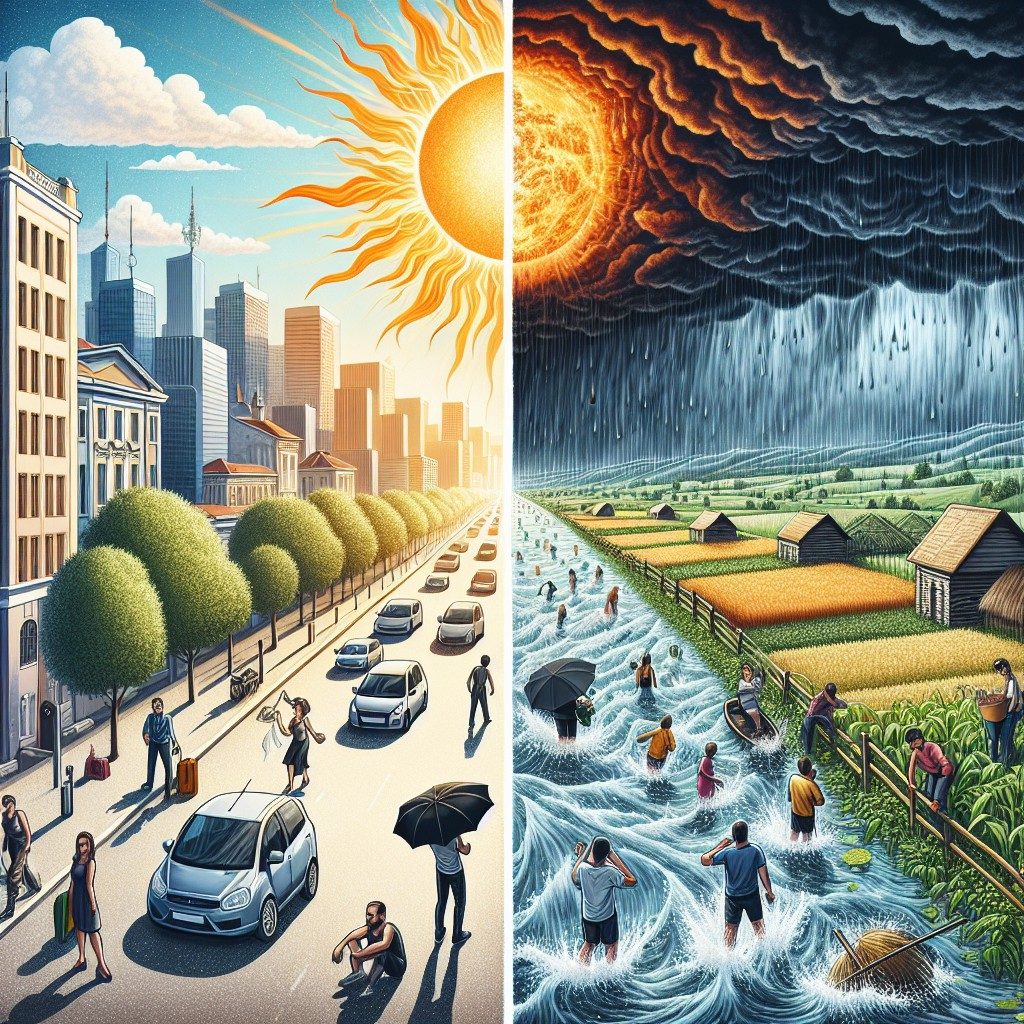
According to recent climate models, expectations for 2026 have deviated significantly from previous projections, particularly in terms of temperature increases and weather extremes. Research conducted by several meteorological organizations highlights a potential rise in average global temperatures by up to 2 degrees Celsius compared to pre-industrial levels. This temperature anomaly is expected to trigger shifts in weather patterns, including prolonged droughts, increased storm intensity, and unpredictable rainfall distribution.
The Role of Human Activity
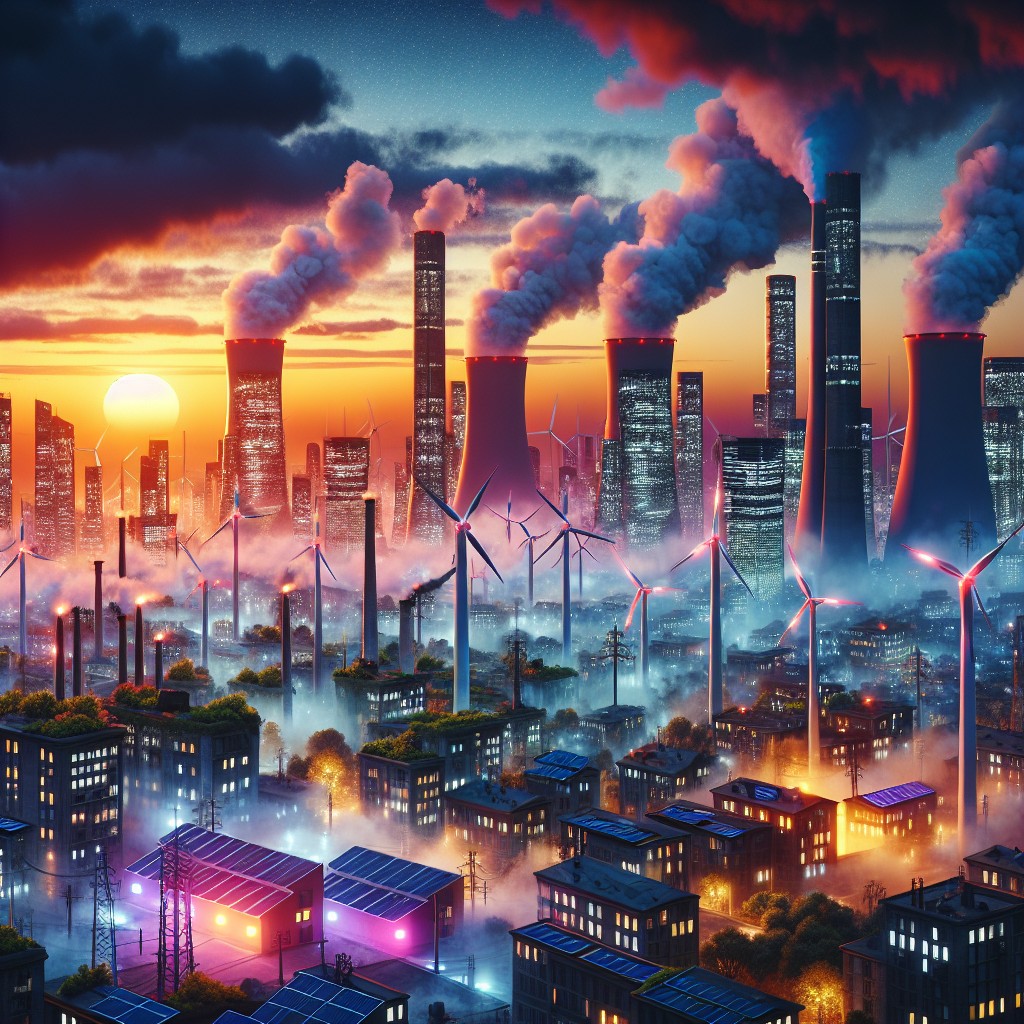
Human-induced factors remain a critical component in any comprehensive Climate Analysis. Industrial activities, deforestation, and unsustainable agricultural practices contribute heavily to greenhouse gas emissions, intensifying the greenhouse effect. Experts suggest that inaction on a global scale could amplify the severity of the predicted 2026 weather patterns. The urgency for policy changes and international cooperation is becoming increasingly undeniable as the implications of these forecasts take shape.
Potential Impacts on Agriculture and Wildlife
The predicted weather patterns have significant implications for agriculture and biodiversity. Crop yields may be affected as changing climate conditions disrupt growing seasons, leading to food security concerns. Furthermore, wildlife habitats are under threat as species struggle to adapt to the rapid climate changes forecasted for 2026. Conservation efforts may need to be reevaluated to address the challenges posed by unprecedented weather variations, emphasizing the necessity for a proactive approach in Climate Analysis and environmental management.
Conclusion: Preparing for the Unforeseen
The Climate Analysis for 2026 urges immediate attention from policymakers, researchers, and the public to mitigate the potential adverse effects of the looming weather patterns. While uncertainty remains regarding the specifics of these forecasts, the scientific consensus signals a critical need for adaptation strategies to protect vulnerable ecosystems and communities. Only through collaborative efforts can we hope to navigate the complexities of our changing climate.
Frequently Asked Questions about Climate Analysis
What is Climate Analysis?
Climate analysis refers to the study of climate data and trends over time to understand past, current, and future weather patterns and climate behavior.
How is Climate Analysis conducted?
Climate analysis is conducted using various methodologies, including statistical analysis, climate modeling, and historical climate data review to track changes and make forecasts.
What are the implications of Climate Analysis for future generations?
The implications of climate analysis for future generations include understanding the potential impacts of climate change on their environment, economy, and health, promoting sustainable practices.
Why is Climate Analysis important for policymakers?
Climate analysis is crucial for policymakers as it provides data-driven insights that inform climate policies, adaptation strategies, and legislative actions to mitigate climate change impacts.
How can individuals contribute to Climate Analysis initiatives?
Individuals can contribute to climate analysis initiatives by participating in local environmental programs, promoting sustainability, and advocating for climate-friendly policies in their communities.