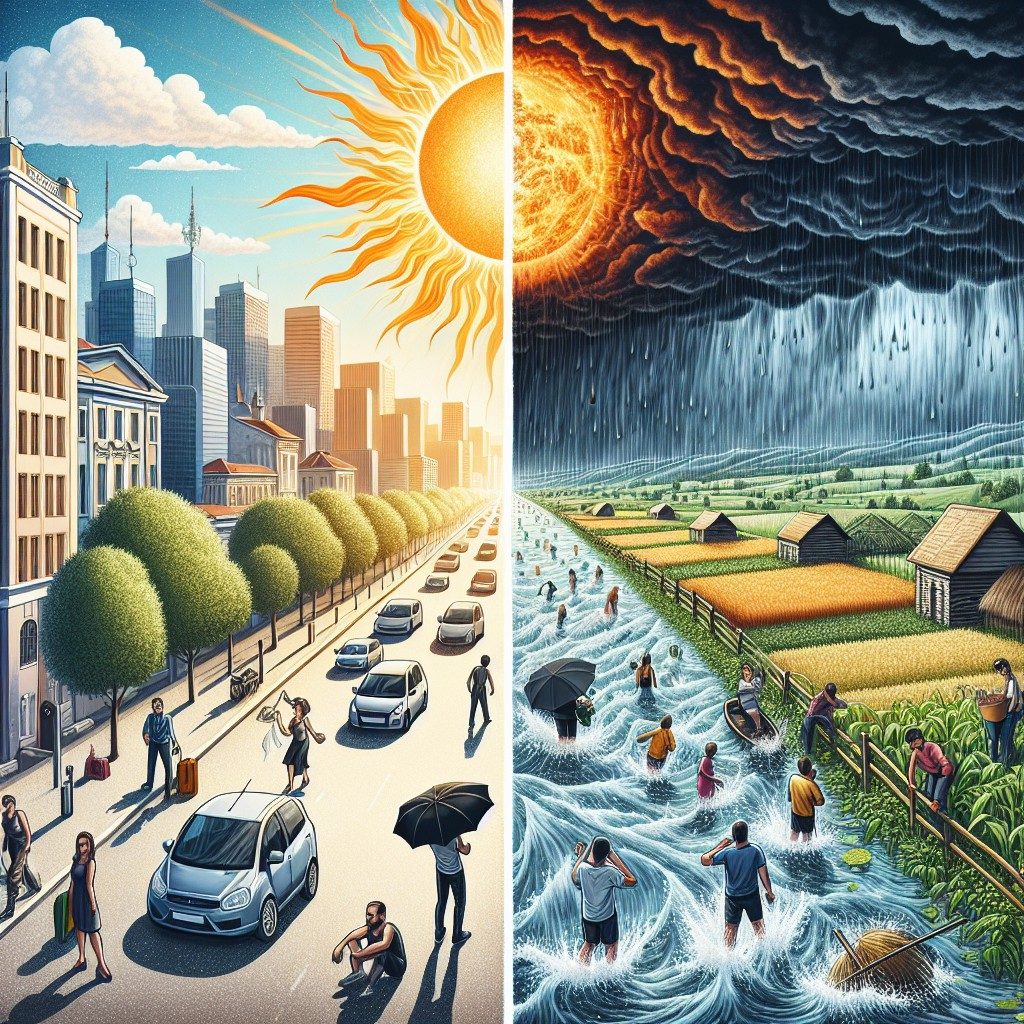
As global climate challenges intensify, cities worldwide are embracing climate adaptation strategies at unprecedented scales. Urban centers, confronted with rising temperatures, sea-level rise, and extreme weather events, are implementing infrastructural and policy changes to safeguard their populations and economies.
Urban Green Infrastructure: A Nature-Based Solution
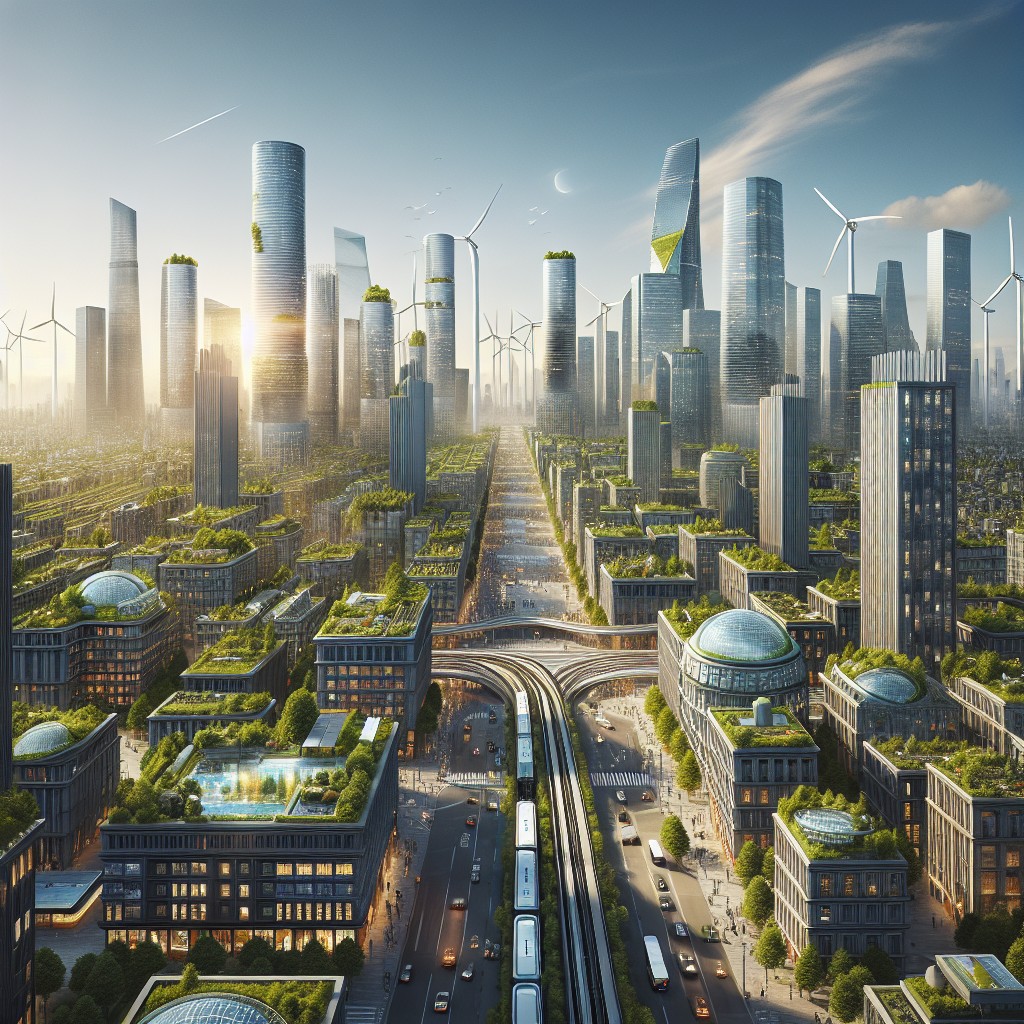
One of the most widely adopted approaches in climate adaptation is the integration of urban green infrastructure. Green roofs, expanded tree canopies, and permeable pavements help cities manage stormwater runoff and reduce urban heat islands. Cities like Chicago and Singapore are investing heavily in such projects, proving their effectiveness not only in environmental resilience but also in enhancing urban livability.
Resilient Coastal Defenses Amid Rising Seas
Coastal cities are at the forefront of climate adaptation efforts due to their vulnerability to sea-level rise and storm surges. Rotterdam and New York City have implemented extensive flood barriers and surge protection systems. These cities employ a combination of hard infrastructure such as sea walls and soft measures including marsh restorations to mitigate flood risks while maintaining ecological balance.
Upgrading Critical Infrastructure to Withstand Climate Stress
Modernizing urban infrastructure to endure climate-related stresses is a priority. This includes reinforcing bridges, upgrading drainage systems, and retrofitting buildings to meet new climate standards. For example, Tokyo has revised its building codes and flood prevention systems following recent typhoon events to enhance citywide resilience.
Community-Centric Approaches to Climate Adaptation
Successful climate adaptation depends on inclusive, community-driven planning. Cities are engaging residents in decision-making to ensure adaptations address local vulnerabilities effectively. Participatory GIS mapping and public workshops have become common practices in cities like Vancouver and Copenhagen to incorporate community knowledge and priorities.
Policy Innovation and Funding Mechanisms
Governments are innovating policies and mobilizing funding to support large-scale climate adaptation. Public-private partnerships and green bonds have emerged as essential tools to finance projects. International organizations provide technical assistance and financial resources to assist cities in scaling up adaptation efforts, underscoring the global commitment to implementing climate adaptation.
In conclusion, resilient cities are redefining urban landscapes through targeted climate adaptation strategies. As climate impacts accelerate, continued investment in infrastructure, nature-based solutions, and community engagement will be critical. The trend towards integrated, scalable adaptation reflects an understanding that sustaining urban life in the coming decades necessitates proactive and collaborative approaches.
Frequently Asked Questions about climate adaptation
What does climate adaptation mean for cities?
Climate adaptation for cities involves making changes to urban infrastructure, policies, and community practices to reduce vulnerability to climate-related impacts such as flooding, heatwaves, and storms.
Which urban strategies are most effective for climate adaptation?
Integrating green infrastructure, upgrading critical systems, and implementing coastal defenses are among the most effective strategies cities use to foster climate adaptation.
How do communities participate in climate adaptation planning?
Communities participate through public consultations, workshops, and mapping initiatives that help city planners incorporate local needs and knowledge into climate adaptation projects.
What role does funding play in advancing climate adaptation?
Funding is vital for the design and implementation of climate adaptation measures, with cities often relying on green bonds, public-private partnerships, and international financial support.
Where can I find authoritative information on climate adaptation?
Reliable information on climate adaptation can be found on websites of organizations like the United Nations Framework Convention on Climate Change (UNFCCC) and the Intergovernmental Panel on Climate Change (IPCC), which provide scientific data and policy guidance.